
The First Filipino Bishop of the GMC
For seven years, Luther Oconer carried a fractured church on his back. In Johannesburg, the moment his name was finally called, all of it came out at once.
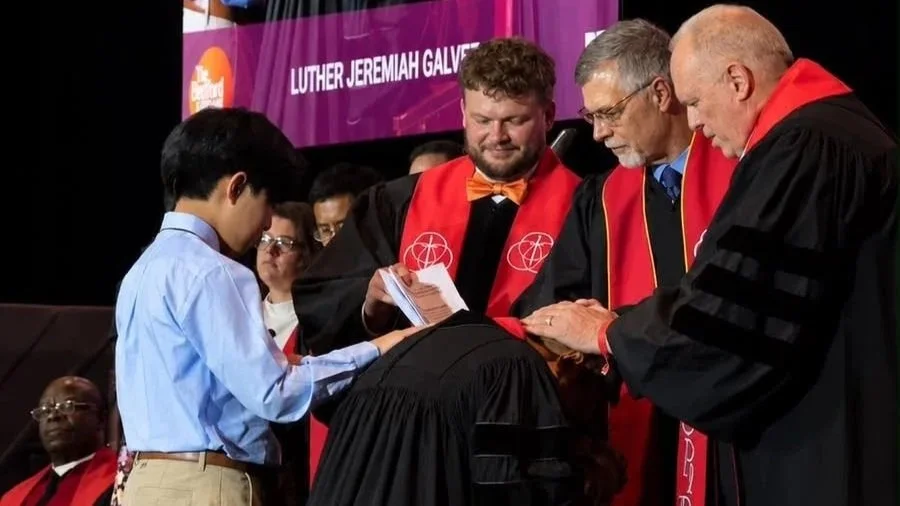
The Rev. Dr. Luther Oconer is consecrated as bishop by Bishops Mark Webb and Jeff Greenway, with his wife, Marion, and son, Wesley, by his side.
Picture the room first. Rows of delegates fill Sandton Convention Centre, Johannesburg… pastors and laypeople alike, all settling into that particular, disciplined hush of a body that knows it is about to witness something irrevocable. The Global Methodist Church stands on the threshold of a historic first, the election of a full-time, six-year Assembly of Bishops. A consecrated body of shepherds entrusted with guiding the church’s future. A name is spoken for Episcopal Area One: Tanzania, India, Panama, Mississippi–West Tennessee, the Trinity Conference, Covenant Philippines, Mega Manila.
Luther Oconer.
And the man doesn’t look like someone accepting an honor. He looks like someone finally setting down a weight he has carried so long it became part of him. When his name was spoken, his head lowered to the desk… not in shock, but in the kind of release that comes when a calling is affirmed.
He cries. Not composed, dignified tears. He says it without flinching from the memory. He cried like a child.
To understand why, you have to go back further than Johannesburg.
A Church Still Learning to Stand
The Global Methodist Church is young, and its youth has not been gentle. It was born out of a painful split from a former denomination, out of scattered congregations, contested buildings, and, in the Philippines, the slow, disorienting work of building something called Mega Manila almost from nothing. Oconer wasn’t watching that history unfold from the margins. He was one of the hands steadying it while it was still being written. “There was a tremendous sense of relief,” he says of the moment his election was announced, “but also a sense of vindication — not vindication in the sense that we had won and somebody else had lost, but a quiet assurance that the Lord had seen everything we had gone through and had been faithful through it all.”
His election wasn't an isolated moment, either. Meeting under the theme “The Beauty of Holiness,” delegates gathered for the GMC's 2026 General Conference, the denomination's first ever held on African soil, and spent the week in what Oconer calls “the sacred act of discernment,” ultimately electing and consecrating eight bishops, a turning point for a church long guided by an interim episcopacy. For the first time, the shepherd’s staff passed to leaders chosen not provisionally, but fully, for a six-year term.
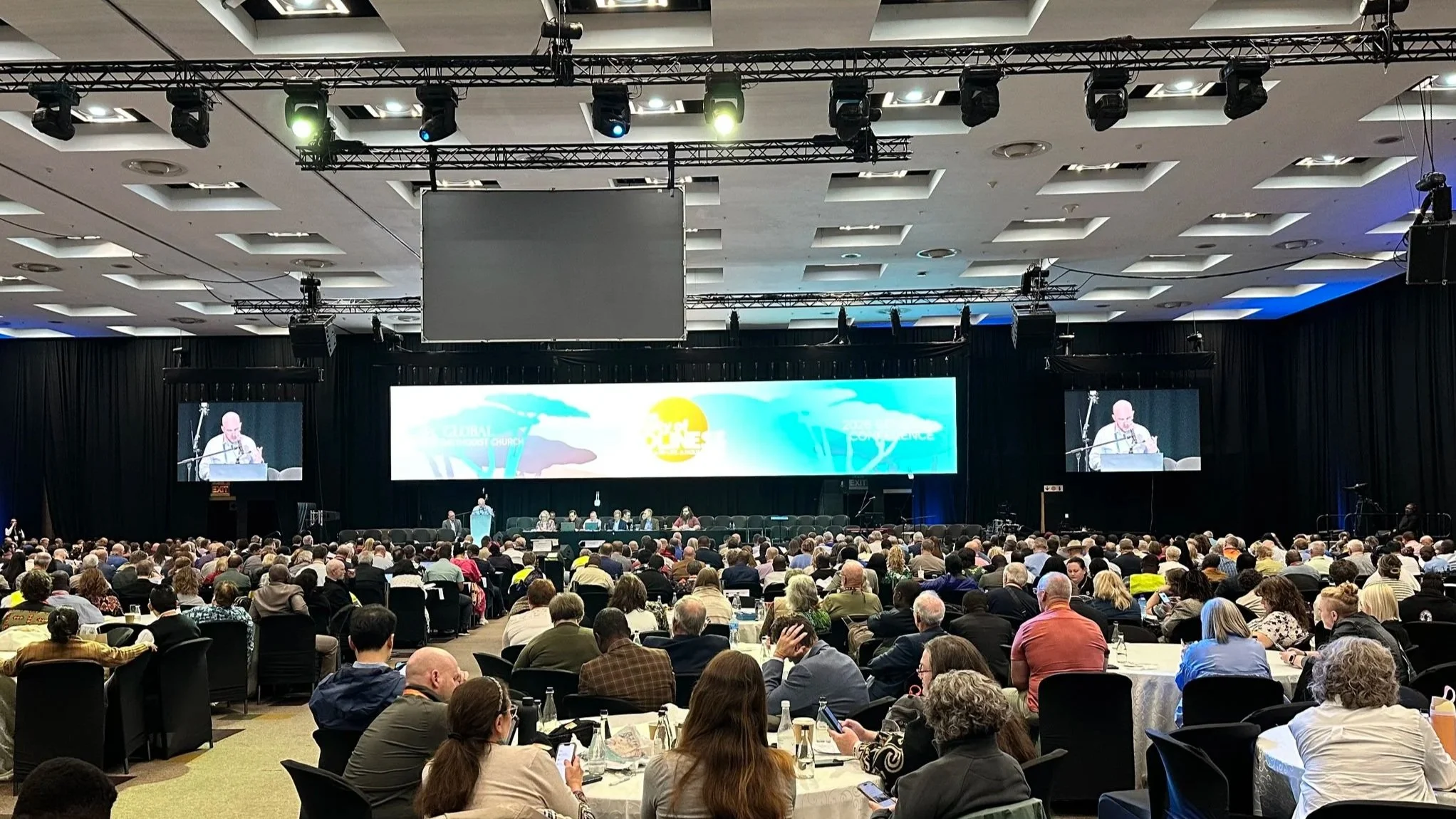
Delegates gather during the Global Methodist Church’s 2026 General Conference in Johannesburg, South Africa.
Few of those eight were handed a portfolio as sprawling as Oconer's. Episcopal Area One stretches from the shores of Lake Victoria to the rice fields of Luzon to river towns in the American South, and folded into it is Mega Manila, the very conference he has led for years, and the one he is now, in a sense, leaving in order to keep serving.
Learning a Continent Before Leading It
Ask Oconer what it feels like to inherit a territory that spans four continents, and he doesn't reach for a grand strategic vision. He reaches for humility. “It is both exciting and humbling,” he says. “You realize immediately that no single leadership model is going to work everywhere.” So his first move as bishop-elect isn't a plan. It's a posture. “One of my first commitments is to listen,” he says. “I want to learn from our conference leaders, pastors, and laity and understand what God is already doing in each place. I don't see myself coming in with all the answers. The Holy Spirit was at work in these conferences long before I became their bishop.”
It's a strikingly unadorned thing to say from someone who now holds, in the language of the denomination's governing documents, responsibility as a conference superintendent… someone charged with overseeing the spiritual and temporal life of an entire episcopal area and defending the faith.
But listen to Oconer long enough, and a pattern emerges: he keeps handing the weight of the role back to something larger than himself. “Despite all our differences,” he says, “we have something very important in common: we are part of the same church, we proclaim the same Gospel, and we share the same Wesleyan mission of making disciples of Jesus Christ and spreading scriptural holiness across the globe.”
The Shepherd Before the Strategist
Pressed on his priorities for the first year, Oconer's answers unfold less like a five-point plan and more like a pastor thinking out loud about the people he's about to be responsible for. Listening and relationship-building come first. Then something quieter, and maybe more telling: encouragement. “Ministry can be joyful, but it can also be difficult and lonely,” he says. “I see the episcopal ministry fundamentally as a ministry of shepherding… caring for those who have been entrusted with caring for God's people.”
Only after that does he arrive at mission — evangelism, discipleship, church planting, revival — and even there, he's careful about the why. “I don't believe the world needs another denomination simply for the sake of having another denomination,” he says. “The GMC must exist for the sake of the Gospel, for reaching people for Christ, making disciples, planting churches, and spreading scriptural holiness across the lands.” Underneath all of it, he says, is prayer. A prayer not as a formality, but as the actual engine. “Programs and structures have their place,” he says, “but ultimately we need the power and presence of the Holy Spirit.”
Acts 1:8, and a Charge Spoken Over Him
Every leader carries a verse or two that left its imprint long before anyone was watching. For Oconer, it's Acts 1:8. The promise of power through the Holy Spirit, and a call to witness “to the ends of the earth.” It's not hard to see why it resonates with a bishop whose territory now covers, quite literally, several ends of the earth. There is a second text he carries as well, spoken rather than written. It is the charge given at his consecration by Bishop Jeff Greenway, calling him to follow Christ in love and humility, guard the faith, watch over the church’s ministry and witness, and tend the flock entrusted to his care. “Those words summarize very well how I understand this calling,” Oconer says. “Follow Christ, guard the faith, watch over the Church, and shepherd the flock. I pray that the Lord will give me the grace to remain faithful to that charge.” He's just as direct about what he doesn't want his leadership to look like: doctrine and revival treated as if they're in tension.
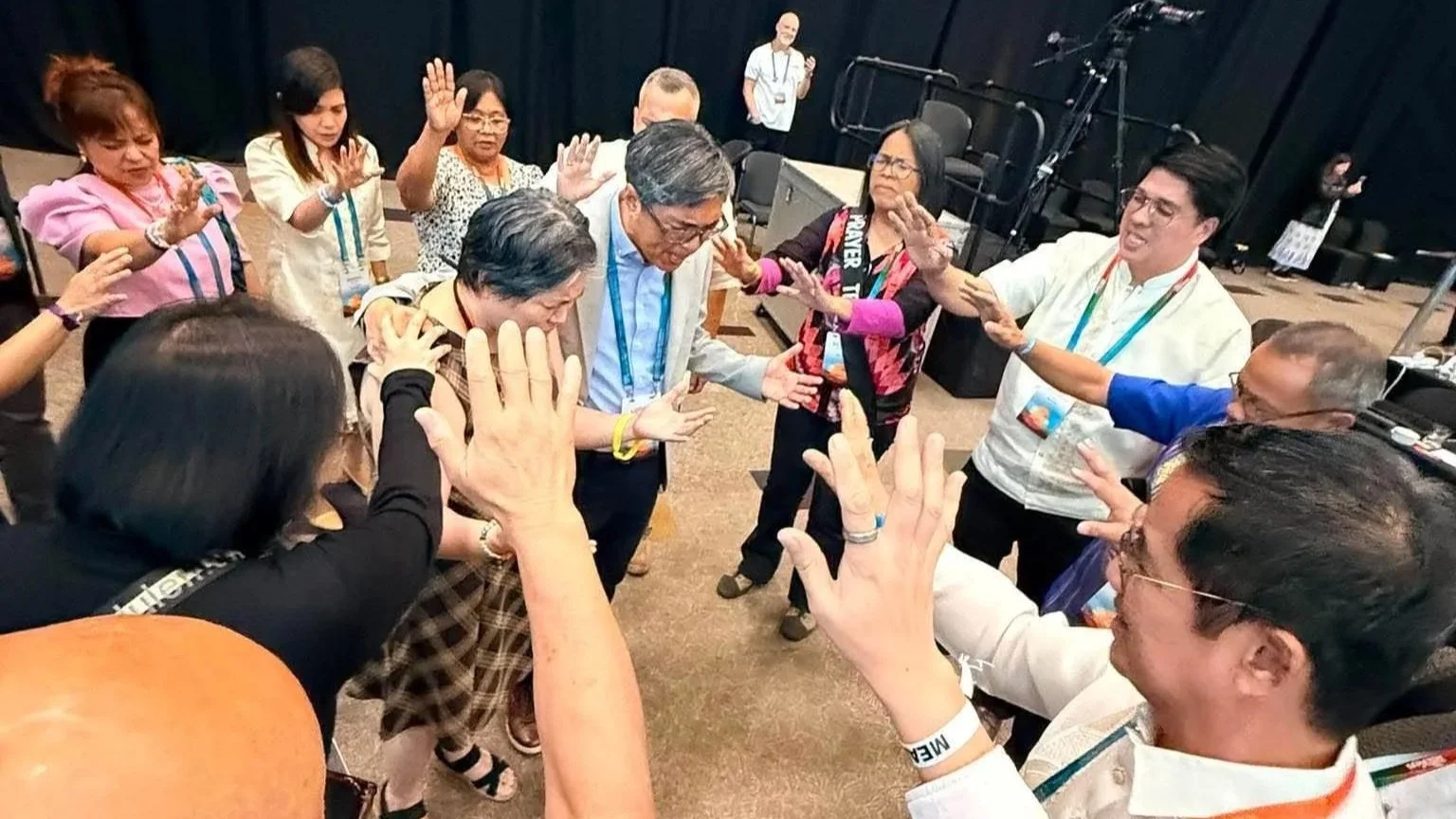
Moments after his name was announced, Philippine delegates gathered around him and his wife, Marion, in prayer.
“Sometimes people separate those two things,” he says, “but I don't think Wesley ever did. We need to be firmly rooted in Scripture and in our Wesleyan theological heritage, but we also need to be completely dependent upon the Holy Spirit.”
From Engineer to Bishop
If you want the true beginning, you have to go back nearly thirty years, long before General Conferences, before a Ph.D., before Mega Manila was even imagined.
In 1997, Luther Oconer was a young network engineer at Smart Communications in Manila. He travelled to Baguio City to attend an Aldersgate youth conference on the Holy Spirit, worn out from juggling deadlines and working overtime to the early hours of the morning at his cubicle in Ayala, Makati. “I was so desperate to be at Aldersgate; it was my last card,” Oconer recalls. “And God met me very powerfully.” It was there that he finally surrendered to a call he had apparently been resisting.
He left telecommunications for pastoral ministry, with no way of knowing what that one decision would eventually cost or become. “I could never have imagined serving churches in the Philippines and the United States, studying for a Ph.D. in Wesleyan/Methodist studies, becoming a seminary professor, participating in the birth of the GMC, or one day being called to serve as a bishop,” he says. “I see a series of doors that God opened that I could never have planned for myself.”
It's why, asked what this new calling actually feels like on the inside, he doesn't reach for the word achievement. He reaches for the word he used back in 1997. “This new calling is really just another ‘yes,’” he says. “The context has changed and the responsibility is greater, but the response is still the same: ‘Yes, Lord. Wherever you send me, I will go.’”
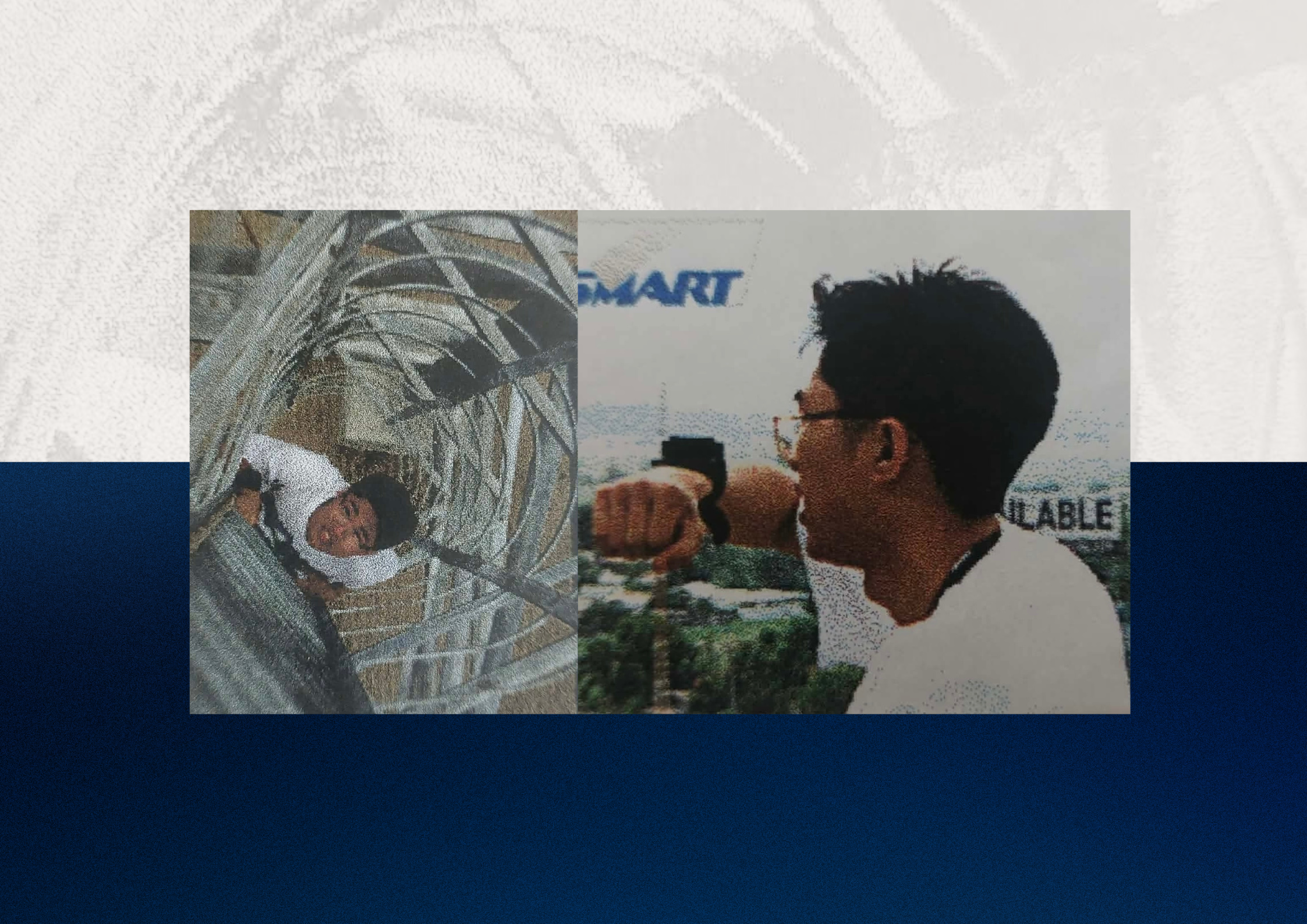
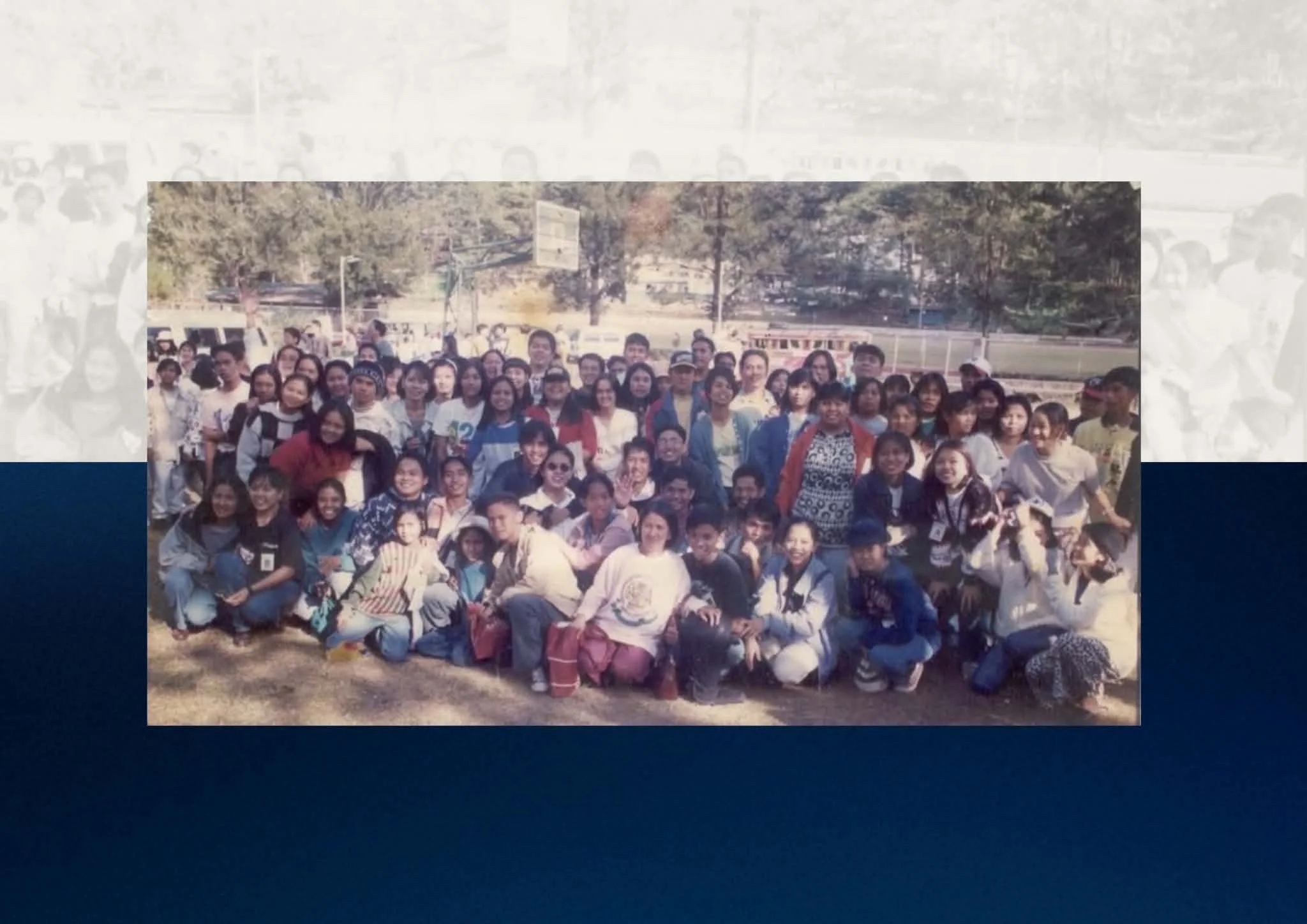
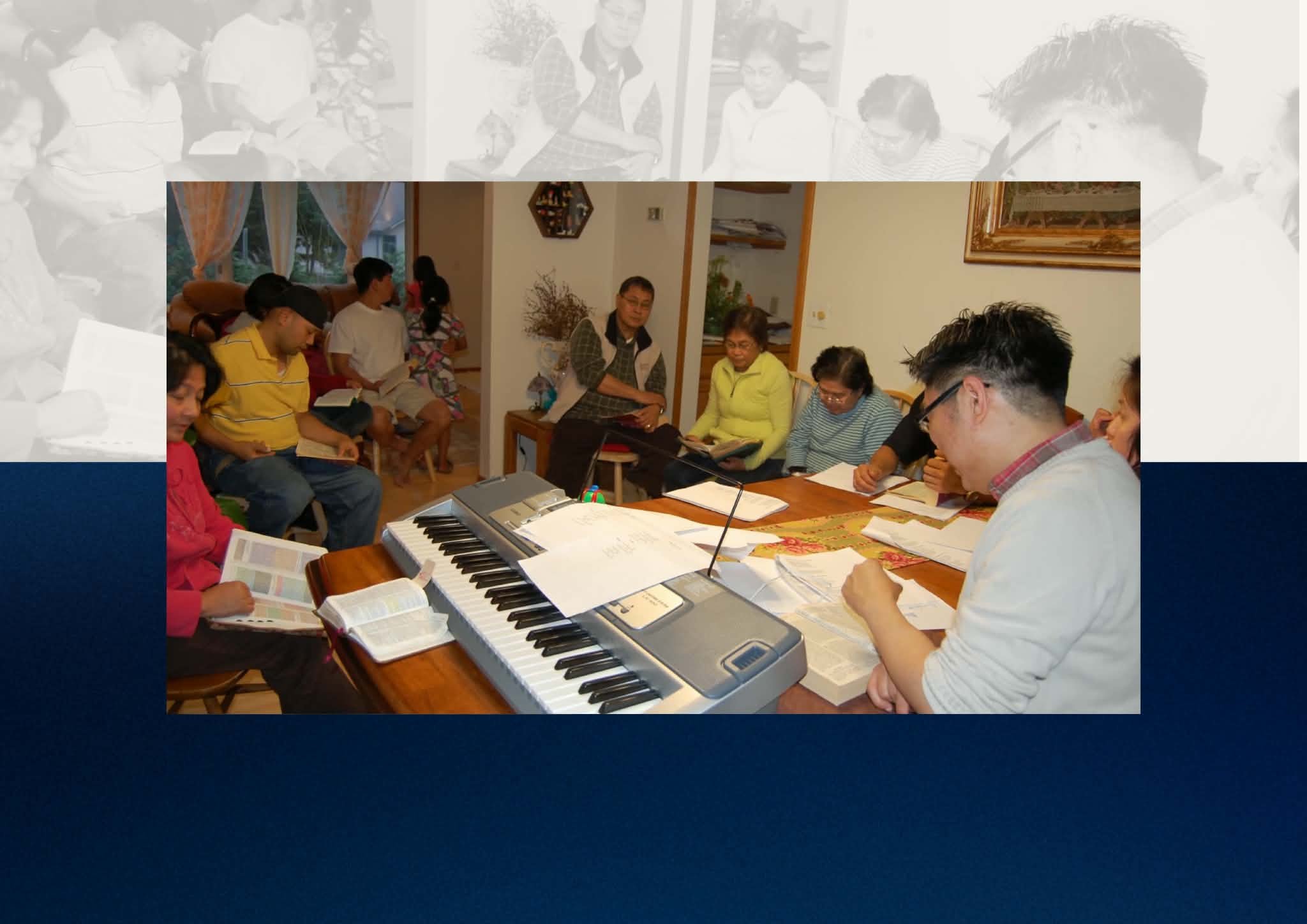
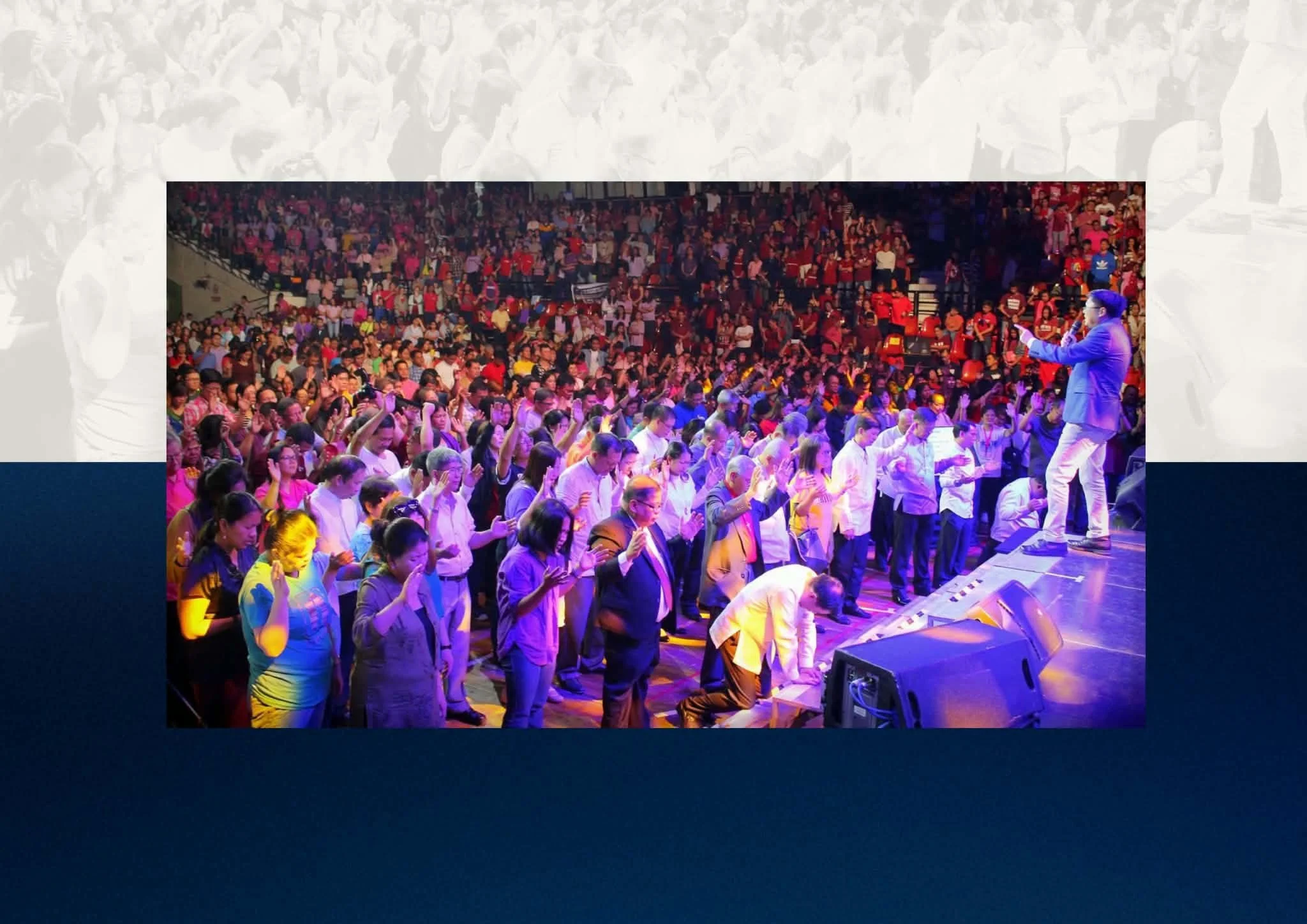
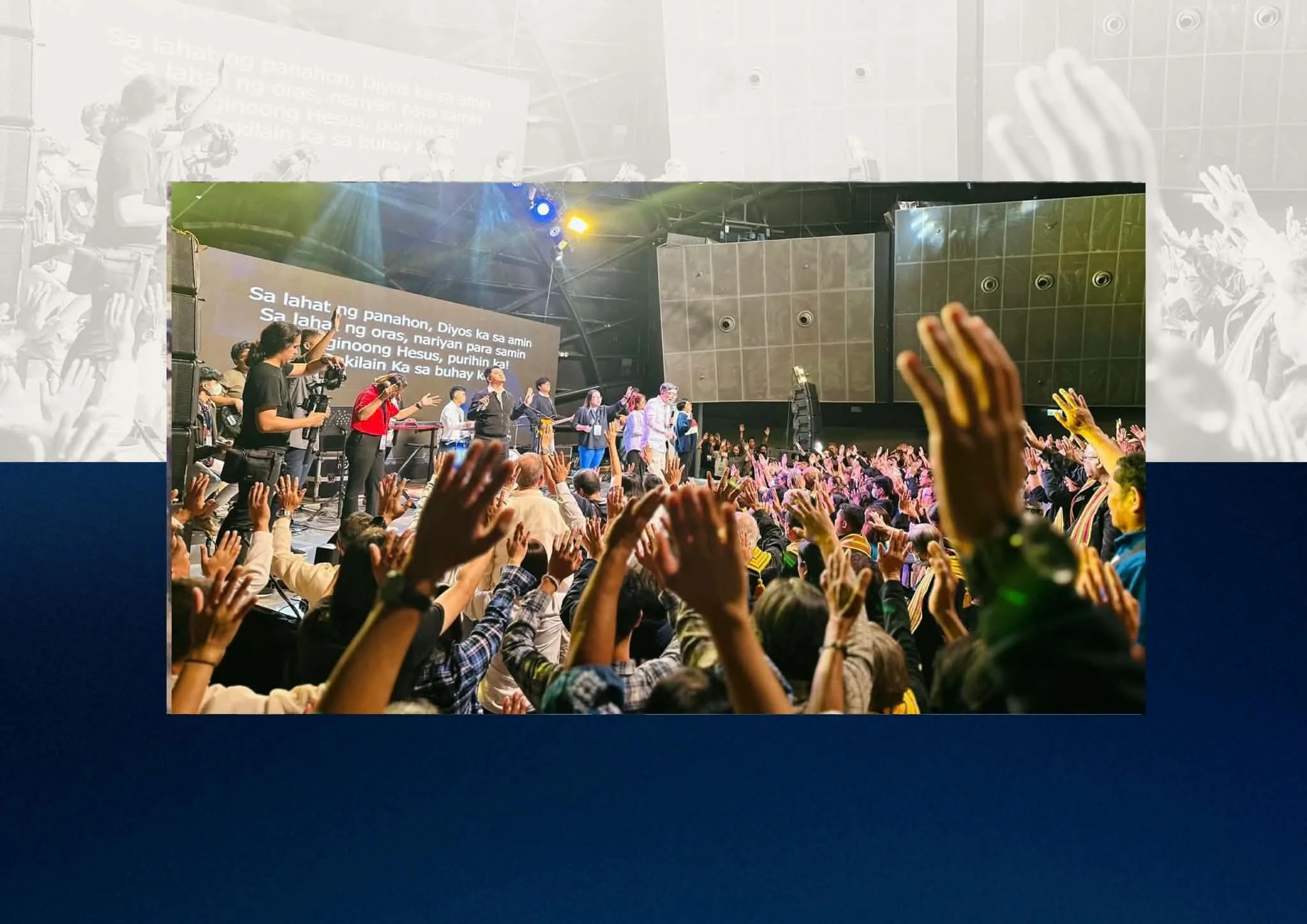
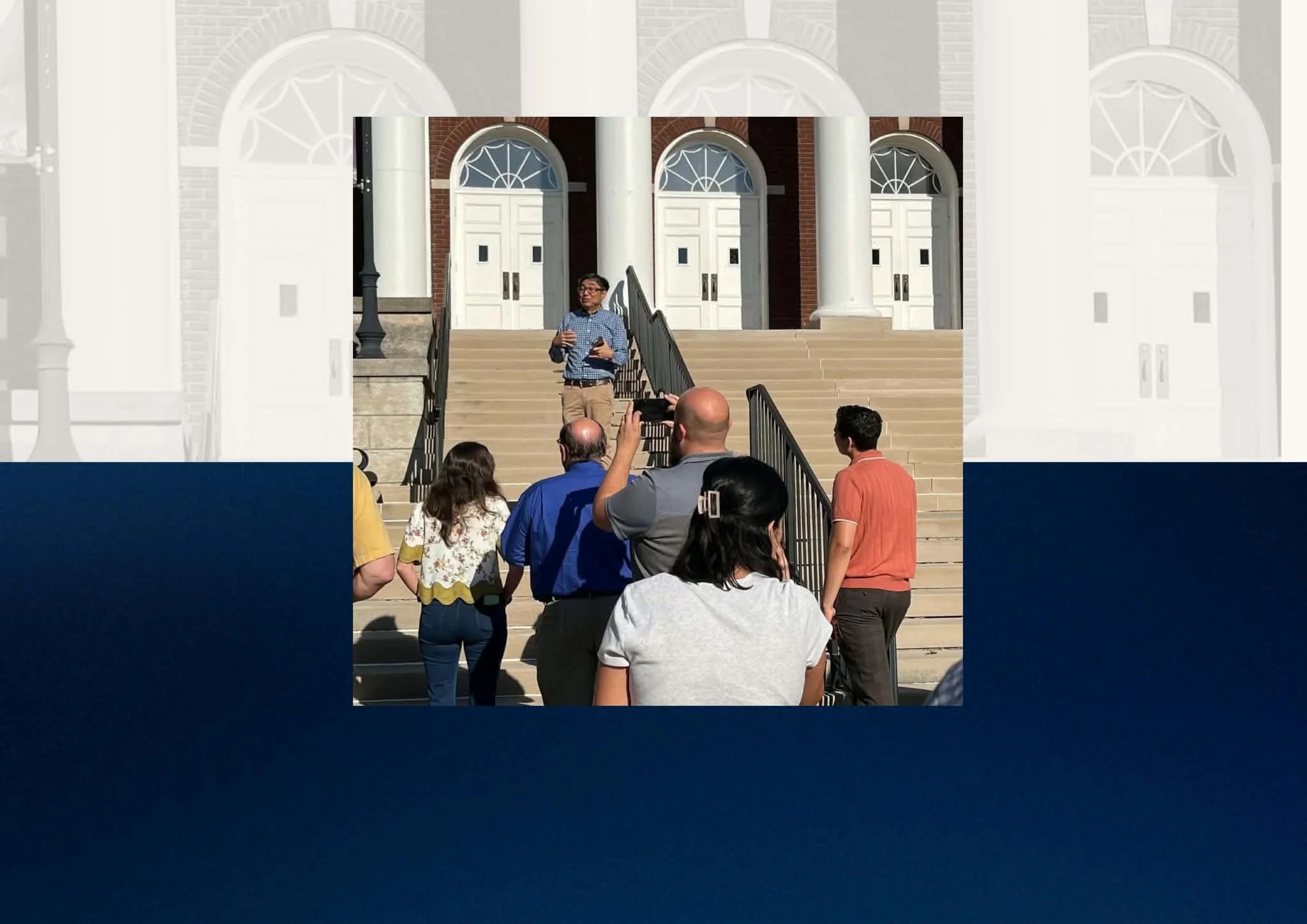
Archival photographs from the places, seasons, and communities that shaped Luther Oconer’s journey.
Photographs courtesy of the Oconer family, friends, and colleagues.
Leaving Mega Manila Without Really Leaving
For those inside Mega Manila, this is the part that lands closest to home. Oconer has led the conference through its most formative, fragile years, and his election means stepping back from that specific role even as he remains connected to it as its bishop, in what he calls “a different and more limited capacity.” He doesn't pretend that's a small thing. But he doesn't linger on the loss of it, either. “What I will remember most is not the organizational work, but the people,” he says, “the pastors and laypeople who sacrificed tremendously, the churches that stepped out in faith, those who responded to God's call, and the new congregations that were planted.” He points, with evident pride, to a number the conference has set its sights on: 100 church plants by 2030. He doesn't yet know who will take his place as superintendent — that decision rests with Bishop Scott Jones and a process still unfolding — but he says he trusts it.
Luther Oconer was elected Bishop of Episcopal Area One of the Global Methodist Church at the 2026 General Conference in Johannesburg, South Africa, and begins his six-year term in November 2026, serving the Tanzania, India, Covenant Philippines, Mega Manila, Panama, Mississippi–West Tennessee, and Trinity annual conferences.
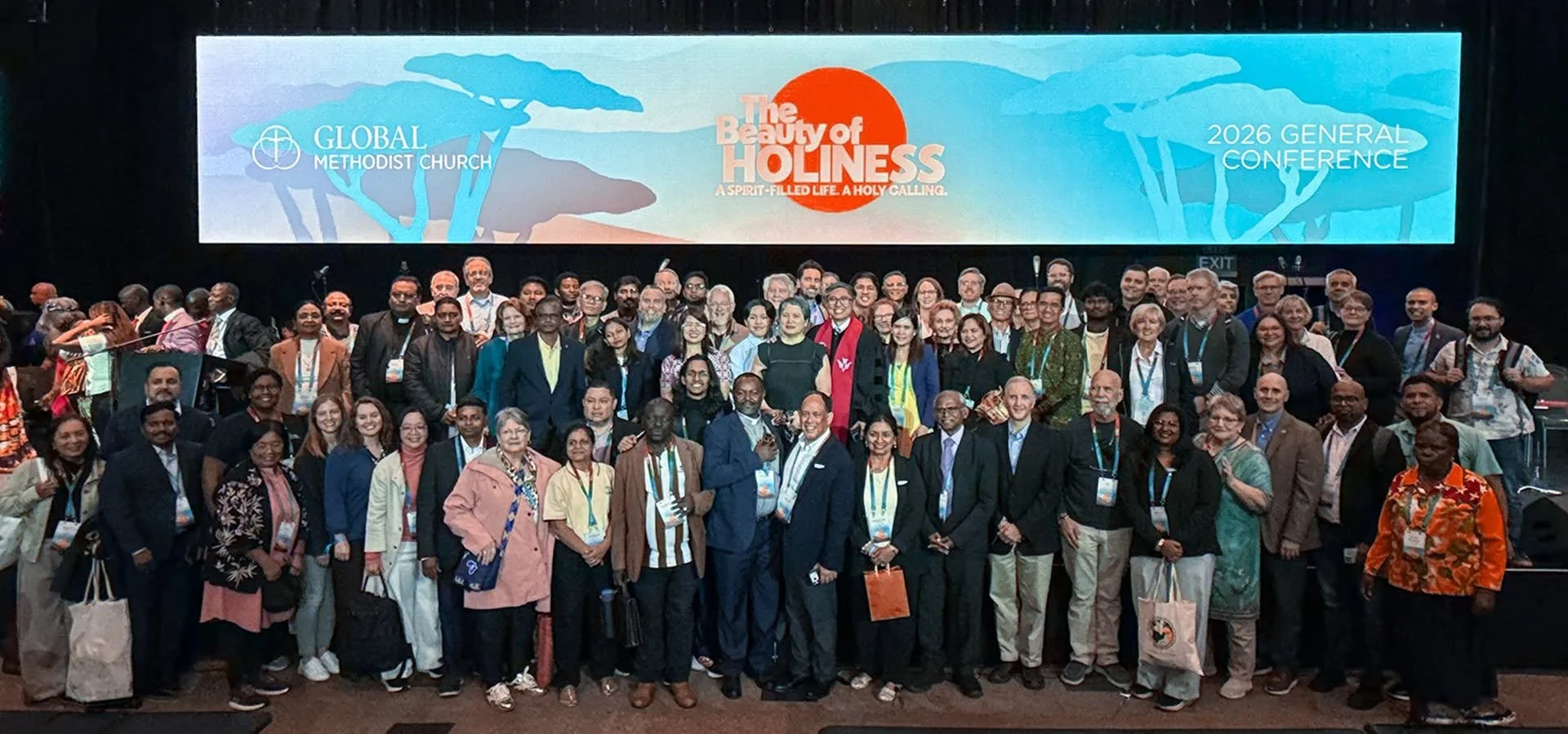
General Conference delegates from Episcopal Area One are pictured with their new bishop and his family.